In the ever-evolving world of beverages, a brand new one has gained prominence – alcohol-free spirits. These new and innovative drinks have seen significant growth over the last few years, with people increasingly seeking non-alcoholic alternatives. In this extensive exploration we’ll explore the spirit market that is alcohol-free, paying particular attention to the present condition and development trends in the EU as well as the UK. Don’t be afraid to join us on a journey through this fascinating area.
The explosion in popularity of alcohol-free Spirits
The Numbers Don’t Make a Murder
It’s time to take in a moment to understand the immense size of this burgeoning market. The EU and UK, the demand for alcohol-free spirits has risen dramatically. In 2022, the market was valued at an impressive a,!X billion. Analysts anticipate the market will continue to rise on its growth, eventually reaching a billion by 2025.
consumer preferences redefined
What’s behind this meteoric rise? The answer largely lies in shifting preferences among consumers. A growing awareness of health and healthier drinking have led consumers to search for alternatives to traditional alcohol-based drinks. Alcohol-free spirits are a clear alternative to these changing expectations.
A Sneak Peek at the Brands
In this market, many brands have made significant progress. Names like “Spirito” as well as “Elixiria” have secured market share through their varied selection of alcohol-free spirits. Spirito’s aromatic botanical blends, as well as Elixiria’s elixirs infused with fruits have become household names, testament to how the industry can create attractive alternatives.
The Regulatory Seas
Knowing the Rules
Before diving further, it’s vital to navigate the waters of alcohol-free spirits. in the EU and UK they are subject to specific rules which differentiate them from traditional alcoholic beverages. The need to understand these rules is vital for businesses in this space.
Marking and Composition
A major aspect of regulation involves labeling and composition. Alcohol-free spirits need to clearly declare their alcohol content, generally lower than 0.5% ABV (alcohol through volume). Following these guidelines will ensure clarity and helps consumers make educated choices.
Marketing and Branding
In addition, branding and marketing of alcohol-free spirits should not lead consumers to believe that they are drinking alcohol. It is important to strike a balance between advertising the product as a viable alternative to alcoholic spirits, and distinguishing it as a unique offering is essential.
After having a good grasp of the landscape of markets and regulatory intricateness, let’s delve into the world and complexities of alcohol-free spirits. In the next section, we’ll uncover some of the fascinating market trends as well as emerging patterns that are shaping this dynamic sector. Join us on this exploration of health-consciousness, innovation and the exciting prospects of alcohol-free spirits.

Innovative Drinks: New trends in the alcohol-free Spirit Market
After laying the base by understanding the liquor-free spirit market’s current state then let’s start looking on the horizon. In this article this article, we’ll go deep examination of the current trends that have shaped our EU and UK the alcohol-free spirit market. Be sure to buckle up as we begin a journey of the latest innovations, sustainable practices, and shifting consumer preferences.
Innovation and innovation are the main focus
Beyond the Mocktail
The days of boring mocktails have long passed. The most striking trends in the alcohol-free spirit industry is the continuous quest for new and innovative products. There are brands pushing the boundaries of flavor profiles and leveraging exotic botanicals, as well as using the most cutting-edge distillation techniques in order to make alcohol-free spirits that match their alcohol-based counterparts.
Aromatic Complexity
To be the first to go are brands like “AromaCraft” or “InfiniFlavor,” known for their distinct flavor profiles. From smoky notes reminiscent of aged whiskey, to the citrusy blast of a spirit inspired by gin, these products showcase the artistic side of alcohol-free spirits making.
The rise of Limited Editions
Another exciting dimension of innovation is the rise of limited-edition alcohol-free spirits. Brands are trying out seasonal releases, working with legendary mixologists, and using rare ingredients to create buzz-worthy offerings.
Sustainability and Eco-conscious Choices
From Field to Bottle
With consumers becoming increasingly conscious of the environment and conscious of their environmental footprint, sustainability has become a major factor in the non-alcoholic spirit market. The brands are placing a heavy importance on the responsible source of ingredients and environmentally friendly packaging. “EcoSip” as well as “GreenHarvest” are excellent examples of companies who are committed to sustainability. They make use of organic, ethically-sourced ingredients as well as recyclable packaging.
Reducing Carbon Footprints
A reduction in carbon footprints is an important top priority. Some brands are using carbon neutral production methods, offsetting emissions, and adopting environmentally responsible methods. These actions are appreciated by consumers searching for products that match their values.
Achieving a Wide Range of Consumer Needs
An A Spectrum of Choices
One of the best aspects of the market for alcohol-free spirits is its ability to satisfy a variety of customer requirements. It’s no longer a one-size-fits-all scenario. Brands are aware that their customers have different preferences in their taste and food restrictions.
Sugar-Free, Gluten Free, and Beyond
Gluten-free sugar-free and alcohol-free, allergen-free spirits are readily available. Brands like “PureTaste” along with “FreeFlow” have a specialization in crafting spirits that meet specific needs of dietary restrictions, making sure that everyone is a part from the alcohol-free experience.
When we travel through innovative waves and explore the sustainability of the spirit market that is alcohol-free, we can see that the market is evolving rapidly to satisfy consumer needs. However, it’s not over here. In the next segment we’ll take a look at consumer behavior trends that are steering the course the current market. Get ready to navigate through the intricate details of consumer choices and preferences.
A Direct Opportunity for Quality: Swedish Distillers Offers Non-Alcoholic Spirits in Bulk!
Becoming a Consumer: Understanding Trends and Preferences
As we’ve explored the constantly changing landscape of alcohol-free spirits, we’ve examined the industry’s current status and marveled over the innovative strategies. Now, it’s time for us to focus our attention on the driving force behind this industry’s transformation: consumers’ behavior. Knowing what consumers are looking for and how they make choices is crucial for companies looking to thrive to succeed in both the EU and UK the alcohol-free spirit market.
The Multifaceted Consumer
The Health-conscious Consumer
One of the most obvious changes in the behavior of consumers is the rising awareness about health. More and more consumers are choosing alcohol-free spirits as a way to enjoy the ritual of a cocktail without the detrimental health consequences of alcohol. These individuals prioritize health and well-being for both their bodies and minds and are typically drawn to spirits that offer organic ingredients and health benefits.
The Culinary Explorer
The alcohol-free spirit market is also attracting culinary experts who appreciate the art of mixology. They are seeking out complex flavor profiles and unique herbal blends that will enhance their drinking experiences. They believe that alcohol-free spirits offer a platform for experimentation with cocktails.
The social Connector
As social creatures, we have a natural desire to make connections with others. Alcohol-free individuals have found their place in the crowd of those who would like to be a part of social gatherings, but without alcohol’s influence. This group is interested in the social side of drinking and the possibility of enjoying exquisite drinks with out the hangover.
Consumer Behavior Trends
Online Discovery and Purchasing
The digital age has revolutionized the way people discover and buy alcohol-free drinks. Online platforms, including e-commerce sites along with social networks play a crucial role in shaping consumer choices. Brands that successfully leverage online channels for advertising and business are more likely to succeed.
Transparency and Authenticity
The public is demanding more transparency and honesty from their brands. They need to know where their ingredients originate and the process of making products and the core values that the brand stands for. An authentic brand and a commitment to sustainable practices have a strong appeal to today’s customers.
The Role in Reviews and Recommendations
Reviews and suggestions, whether from friends or online influencers, carry considerable weight in today’s alcohol-free spirit market. Positive reviews and endorsements from experts can sway consumer decisions. Brands should be actively engaging with the customers they serve and encourage honest feedback.
Sustainability as a Key Driver
Sustainability is not a niche issue anymore becoming a standard driver of consumer behavior. Companies that use eco-friendly practices and display social responsibility are in a position at attracting consumers who agree with these values.
What’s next
When we look at the complex ocean of trends in consumer behavior it’s obvious that the alcohol-free spirit market does not just revolve around what’s in the bottle, but about the beliefs and experiences it embodies. In the next section we’ll reveal the strategies and tactics brands employ to meet different consumer needs. Prepare to learn the strategies that are bringing brands to the forefront of this thriving industry.
Crafting Success: Strategies to Brands that do not contain alcohol.
In the constantly changing world of spirits that are alcohol free, companies are developing successes by analyzing consumer behavior and making the most of new trends. With consumers looking for safer, better, and more socially-connected alternatives, brands that are alcohol-free must implement the appropriate strategies to stand out in the market. In this section we’ll take a look at the strategies that brands with success are using that will guide you on the route to success in the EU and UK market for alcohol-free spirits.
Strategy 1: Diverse Flavor Profiles
Bold and Different Botanicals
Major brands are working on the development of sophisticated flavor profiles to cater to various preferences. They’re using a wide array of plants, each chosen by their distinctive contribution to the overall experience. This means that customers can locate alcohol-free spirit that match their taste and preferences, whether it’s light and refreshing, or sweet and spicy.
Exclusive Editions and Special Releases
These exciting limited editions and seasonal releases spark curiosity and anticipation among the consumers. These releases can highlight new flavors or highlight the seasonality of ingredients, providing a reason for consumers to try something different.
Strategy 2 Mixology and Collaborations
Collaborations with Mixologists
Collaboration with internationally acclaimed mixologists can be an effective approach for brands. Mixologists are able to create unique cocktails and recipes that showcase distinct flavors of an alcohol-free spirit. Their expertise helps establish credibility for the brand and opens up the possibility of new ways to mixology.
Cocktail Recipe Collections
A lot of successful brands that are alcohol-free offer drink recipe collections. The collections encourage imagination and encourage people to experiment with different mixers and garnishes and style of presentation. Sharing these recipes on websites and on social media improves the engagement of brands.
Strategy 3: Eco-Friendly and Sustainable Strategies
Sustainable Sourcing
Brands are increasingly adopting green practices from sourcing ecologically-sourced plants to lessening their carbon footprint. Consumers are drawn by brands that are mindful of the environment and sustainability as a key selling element.
Eco-friendly Packaging
Eco-friendly packaging is another trend which is popular with environmentally conscious consumers. Brands are exploring new containers that could be recyclable, biodegradable, or even reusable. Attractive, eco-friendly packaging can help a brand stand out on the shelf and in consumers’ minds.
Strategies 4: Connecting with Communities
Online Communities
Successful brands create online communities that allow consumers to connect, share experiences, and discuss ideas. They provide a space that allows consumers to discuss cocktail recipes reviews, recipes, and other creative ways to use alcohol-free spirits.
Consumer Feedback and Iteration
Brands actively seek and respond to consumer feedback. This method of iteration allows companies to enhance their products as well as their marketing strategies based upon real-world feedback. It also shows a commitment to satisfy the demands of consumers.
Strategy 5: Innovative Marketing
Telling stories and Brand Values
Effective storytelling can help brands engage with consumers on more personal level. The brands are sharing their histories in their values, beliefs, and the commitment to sustainability and wellbeing. They rely on storytelling to convey their personality and authenticity as a brand.
Influencer Partnerships
Collaborations between influencers who align with the values of the brand and target audience can amplify the brand’s reach. Influencers frequently create engaging content that showcases brands’ products in a variety of contexts.
What’s Next
In the coming weeks, we’ll uncover the strategies that are behind the success of the non-alcoholic spirit market, we’re ready to begin the last portion of our examination that will give us a glimpse into the future. In the next part we’ll examine the crystal ball and look at the forecasts and trends that are likely to impact this EU and UK market for alcohol-free spirits over the years ahead.
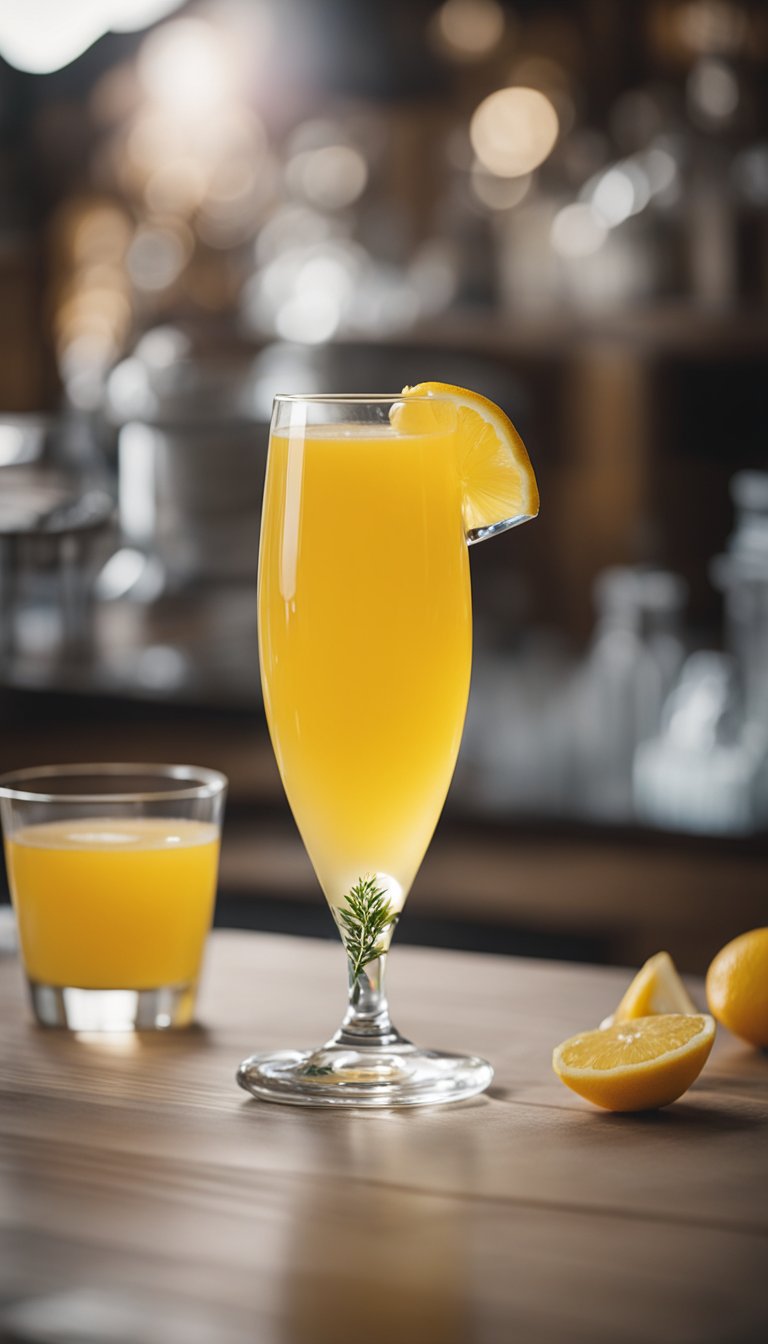
The Future of Alcohol-Free Spirits: Trends and Predictions
As we conclude our journey across the globe of spirit that is alcohol-free, we gaze towards the horizon, exploring the intriguing predictions and trends that are destined to revolutionize this EU and UK alcohol-free spirit market in the near future. The journey has been educational that has taken us through numerous aspects of this emerging industry, from its inception to the strategies that top brands are using to achieve success. Now, let’s embark on an exploration into the future.
“The alcohol-free spirit movement Keeps Going
New Formulations
The alcohol-free spirit market will be flooded with innovative formulations. Brands will challenge the boundaries in experimenting with exotic plants, novel flavor profiles, and innovative techniques to recreate the richness and complexity of alcoholic spirits. Expect spirits that test the boundaries of traditional definitions and tempt the taste buds.
Health and Wellness Integration
The increasing interest of consumers in fitness and health will lead to the development of alcohol-free spirits which provide functional benefits. Companies will infuse their offerings in the form of adaptogens or vitamins, and other health-promoting ingredients. The spirits will not just provide a healthy alternative to spirits, but also offer customers who seek beverages that enhance their health.
Personalized Experiences
Personalization will be the main element. Brands will leverage technology to provide bespoke alcohol-free drinking experiences. From customized flavor profiles to online cocktail suggestions, consumers will enjoy more control over their drinks than ever before.
The Sustainability Movement is Taking Center Stage
Circular Economy practices
Sustainability will remain a primary concern. Brands will follow circular economic practices, making sure that their production processes reduce waste as well as environmental impacts. Sourcing, production, and packaging will be developed with sustainability in mind. This will appeal to eco-conscious buyers.
Carbon-Neutral Spirits
Brands have committed to achieve carbon neutrality. This is the process of reducing carbon emissions generated during the entire lifespan of a product. Spirits that are carbon neutral will draw consumers who are concerned about climate change and the environment.
The Rise of E-Commerce and DTC Models
Direct-to-Consumer (DTC) Dominance
E-commerce and DTC models will continue to grow. Brands selling alcohol-free spirits will invest in user-friendly online platforms, which make it easier for consumers to search, buy and interact with their products directly. The ease of DTC shopping will drive market growth.
Virtual Tastings and Experiences
Virtual tastings and immersive online experiences will become commonplace. Brands will hold virtual events that allow customers to experience their products from within the privacy of their homes. These events will strengthen consumer connections and help build brand loyalty.
Regulative Changes, Acceptance and Acceptance
Clearer Labeling Standards
The regulatory bodies will set more precise labeling requirements for alcohol-free spirits. This will ensure transparency and aiding consumers to make informed decisions. A standardized language will help eliminate any confusion surrounding alcohol content.
More Widely Accepted
Alcohol-free spirits are expected to gain greater acceptance in restaurants, bars and other social gatherings. Mixologists will integrate them into their menus, providing wide range of non-alcoholic drinks. The stigma that comes with drinking alcohol will decrease.
A Recap of Our Journey
As we bring our exploration in the EU and UK alcohol-free spirit market to an end Let’s take a moment to review the informative trip we’ve been on:
-
Understand the Market: We began by learning the full scope of the market for alcohol-free spirits that includes its history and its rapid expansion.
-
crafting strategies for success Then we delved into the strategies used by brands that have succeeded, such as various flavor profiles, collaborations on sustainability, engagement with communities and innovative marketing.
-
The Future Awaits: In this section, we’ve delved towards the crystal, researching the forecasts and trends that will affect the future of this dynamic business.
In conclusion it is clear that this EU as well as the UK Spirits that are alcohol free is currently on upswing, fueled through sustainability, innovation and the changing preferences of consumers. Brands that follow these trends and are able to adapt to the changing landscape will be successful in this fast-growing market.
We appreciate your joining us along this path. When we begin to look toward this new era of spirit that is alcohol-free let your glasses be filled with the limitless possibilities this incredible industry has to offer.
