The market for alcohol-free spirits in both the European Union (EU) and the United Kingdom (UK) is experiencing phenomenal growth. Since more people are looking for alternatives to traditional alcoholic beverages, the demand for alcohol-free spirits has increased. While this is a huge opportunity for businesses, it presents a myriad of challenges that must be dealt with to remain competitive within this highly competitive world.
In this extensive guide, we’ll explore the various challenges facing companies operating within this EU as well as the UK alcohol-free spirits market. We will explore the regulatory obstacles, competitive landscape, changing consumer expectations and distribution issues which could impact your performance. When you’re done with this post, you’ll learn the most important aspects of these issues and be better prepared to navigate them effectively.
II. Regulation Hurdles
A. EU Regulations
Summary of EU Regulations on Alcohol-Free Spirits
In the EU the EU, rules governing alcohol-free spirit are complex and rigorous. These regulations are in place to protect the integrity and safety of food and beverages and alcohol substitutes, as well as alcohol-free drinks. They cover aspects such as ingredient labeling such as health claims, ingredient labeling, and limits that are permitted for certain substances.
Compliance Challenges and Implications
For companies that operate in the EU market, adherence to the rules is mandatory. Infractions can lead to hefty penalties and harm to your company’s reputation. One of the major challenges is staying on top of the ever-evolving regulatory landscape, that may require regular adjustments to your product formulations and labeling.
B. UK Regulations
Overview of the UK regulations on alcohol-free spirits
The UK has its own rules concerning alcohol-free spirits. Since it has departed from the EU in 2004, it has had the capacity to build its regulatory framework independently. Businesses operating in the UK market must be aware of these regulations which could differ from EU standards in certain aspects.
Unique Issues in the Post-Brexit Era
It can be difficult to navigate the UK regulatory environment after Brexit could be challenging due to the necessity to change to new rules and standards. Being informed and maintaining compliance is essential to ensure your product will continue to be sold in the UK market.
As we progress in this guide, we’ll be looking at other challenges that require attention beyond regulatory obstacles. The next chapter, we will review the competitive landscape and how it affects businesses on the alcohol-free spirit market.
Be a Trendsetter in Retail: Stock Up on Swedish Distillers’ Non-Alcoholic Spirits in Bulk!
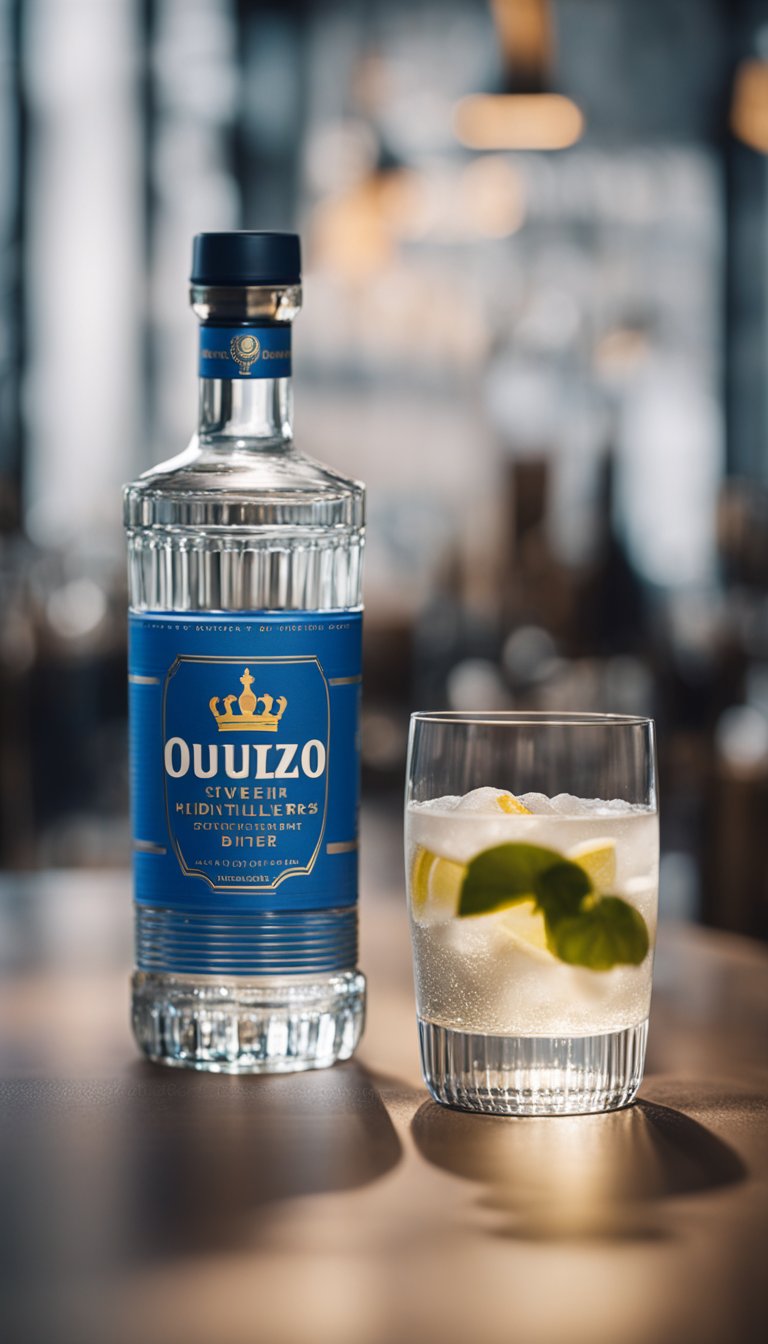
The EU and UK Alcohol-Free Spirit Markets For immediate help, read these tips for success.
II. Regulation Hurdles
With regards to the EU and UK market for alcohol-free spirits, regulatory hurdles are a significant obstacle for companies. Becoming aware and in compliance with the complicated regulations is crucial for success.
A. EU Regulations
Review of EU Regulations on Alcohol-Free Spirits
The European Union has established rigorous regulations to ensure the high-quality and safety of food and drinks, including alcohol-free spirits. These regulations cover various aspects of the formulation of products as well as labeling and marketing.
Compliance Implications and Challenges
Compliance with EU regulations is paramount for businesses operating in this market. Failure to adhere to the rules can lead to massive fines and reputational damage. It’s important to stay current regarding the ever-changing regulatory landscape and may result in frequent adjustments to formulations for products and labels.
B. UK Regulations
Overview of UK regulations governing alcohol-free spirits
Since the UK’s departure the EU, it has developed the rules for its own for alcohol-free drinks. These rules could differ from EU standards, and businesses that operate in the UK have to be aware of these new requirements.
Unique Problems in the Post-Brexit Era
The UK regulatory environment following Brexit presents specific challenges. It is essential to adjust to the new rules and standards is vital for ensuring that products continue to be sold in the UK market. Staying informed and proactive in complying with the latest regulations is crucial.
III. Competitive Landscape
The alcohol-free spirit market in both the EU and UK is witnessing an increase in competition. Understanding the nuances of this market is essential for companies looking to succeed.
A. Proliferation of Brands
The growth of alcohol-free Spirit Brands
The increasing demand for alcohol-free spirits has led to numerous brands gaining entry into the market. Although this variety provides consumers with many options, it creates more competition for businesses.
Standing In a Static Market
To succeed, businesses must make themselves stand out from the crowd. This means offering premium products, but also establishing the right brand image and efficient marketing strategies.
B. Pricing Pressures
Competitive Pricing Strategies
The price competition is intense on the market for alcohol-free spirits. Many consumers are price conscious, as are businesses, who often adopt pricing strategies to gain an advantage.
In balancing quality and affordability
Finding the right balance between providing affordable products and preserving quality is a major challenge. Cut costs too fast can affect the quality of the product.
C. Innovation and Product Differentiation
Importance of Innovation
Innovation is the key element of success in this market. Companies that can create unique and appealing alcohol-free products have a competitive advantage.
Navigating Consumer Trends
Recognizing and responding to evolving trending consumer preferences and trends such as the increased demand for exotic flavors or sustainable practices, is crucial for remaining relevant.
We continue to examine the challenges in both the EU and UK alcohol-free spirit market, the next section will delves into the ever-changing demands of the consumer and the way businesses can adjust to meet them efficiently.
The EU and the UK Alcohol-Free Spirit Market Get immediate insights for success
III. Evolving Expectations of Consumers
In the dynamic landscape that is the EU and UK alcohol-free spirit markets, the expectations of consumers are always changing. In order to satisfy these expectations, it is vital to successful business.
A. Flavor Variety and authenticity
This is The Quest for Unique Flavors
Consumers are today increasingly looking for novel and exotic flavor experiences. They’re in search of alcohol-free spirits which aren’t just a substitute of traditional alcohol beverages, but additionally a unique and memorable sensory experience.
Problèmes for Businesses
Being able to satisfy the demand for diverse and authentic flavors can be a problem for companies. Finding natural, high-quality ingredients and identifying the perfect flavor profile requires patience and experience.
B. Healthcare and wellness trends
Growing Health Consciousness
The public is becoming more mindful of their health this is driving the demand of spirit that is alcohol-free and compatible with their health goals. They look for spirits that have fewer calories, are low in sugar and made from healthy ingredients.
Balanced Health and Taste
Balancing the taste and sensory attraction of alcohol-free drinks with the health benefits can be difficult. Businesses must commit to research and improvement to develop products that meet both needs.
C. Sustainability and Ethical Practices
The Rise of Sustainability
Sustainability is of paramount importance for the modern consumer. They want to patronize companies that are responsible for the environment all the way from sourcing ingredients up to packaging.
Building Ethical Brands
Companies are being pressured to adopt sustainable and ethical practices. This entails not just environmentally-friendly production, but also transparency regarding ethical supply chain sourcing and supplier ethics.
D. Accessibility and Convenience
On-the-go lifestyles
People lead hectic lives and require convenient ways of drinking alcohol-free spirits. Easy to carry, store, and mix are highly sought-after.
Meeting Accessibility Beacon
Businesses must take into consideration packaging portions, serving sizes, as well as the user-friendliness of their products so that they meet the consumer’s requirements for ease of use.
IV. Strategies for Meeting the Changing Consumer Expectations
As the expectations of consumers continue increase, businesses in both the EU as well as the UK alcohol-free spirits market have to adapt to be successful. Here are strategies to consider:
A. Innovation and Product Development
Continual Innovation
Spend money on research and development to create unique and diverse flavor profiles that cater to changing preferences.
Health-conscious Formulations
Develop products that reflect healthy and wellness trends by focusing on features such as low sugar and organic ingredients.
B. Sustainability and ethical practices
Environmental Responsibility
Implement sustainable sourcing, production and packaging techniques to draw eco-conscious buyers.
Transparency and Ethics
Make clear your commitment to ethical sourcing and supply chain practices to establish trust with customers.
C. Marketing and Branding
Good Storytelling
Design compelling brand stories that are in tune with consumers’ cravings for unique flavours with a healthy lifestyle, as well as sustainability.
Educational Campaigns
Be aware of the benefits and benefits of alcohol-free spirits and help them make informed decisions.
In the next part, we’ll explore the role of marketing and distribution strategies in navigating the challenges of the EU and UK alcohol-free spirit markets.

How to navigate the EU and UK Alcohol-Free Spirit Markets For immediate help, read these tips for success.
IV. Strategies for meeting evolving consumer Expectations
With consumer expectations in the EU as well as the UK alcohol-free spirit market continue to grow, businesses must implement effective strategies in order for staying competitive and meeting these evolving needs. In this section, we’ll delve into some actionsable strategies for dealing with these obstacles successfully.
A. Innovation and Product Development
Continuous Innovation: Staying Ahead Flavor Trends
In the realm of alcohol-free spirits, creativity is an essential ingredient. To meet evolving consumer expectations for distinct flavors, companies should continue to invest in studies and research. This means experimenting with a the wide range of natural components like botanicals, herbal extracts, and spices to design unique flavors that distinguish themselves in a market.
Professional Tip Work with mixologists and experts in flavor to create unique and memorable experience for your guests.
Balanced Taste and Health in achieving Wellness Expectations
The growing attention of consumers to health and wellness presents both a challenge and an opportunity. While crafting delicious alcohol-free spirits is vital, it’s also important to align with health-conscious fashions. This means offering products that are low in calories, low in sugar, and made with natural ingredients. The right balance between taste and health is not an easy task, but it’s a critical one.
Pro Tips: Conduct tasting tests and surveys to tweak your product’s flavor and nutritional value.
B. Sustainability and Ethical Practices
Environmental Responsibility Go Green to Market Appeal
Sustainability is no longer a niche concern It’s now a mainstream expectation. Consumers are increasingly choosing products that are responsible for the environment. In order to satisfy this demand businesses need to adopt sustainable methods throughout the production process. It includes using sustainable sources for ingredients in order to reduce waste, as well as utilising eco-friendly packaging.
Pro Tip: Highlight your sustainable initiatives on product packaging and marketing materials to entice environmentally conscious consumers.
Ethics, Transparency, and Transparency Building Trust Through Honesty
In today’s market transparent practices and ethical standards are crucial. Consumers want to know that not about the quality of alcohol in their spirits, but also where those ingredients were sourced, and if ethical practices are followed. To create trust, companies must make clear their commitment to ethical sources, fair labor practices and transparent supply chains.
Pro Tip Share your stories and images of your production and sourcing processes on social platforms and your website to show your dedication toward transparency.
C. Marketing and Branding
Good Storytelling: Creating engaging brand Narratives
The success of branding in the alcohol-free spirit market is based on effective storytelling. Create a compelling brand story that resonates with consumers’ need for unique flavors, green choices and sustainable practices. The story you tell should be more than words. It should reflect the essence of your company and its values.
Best Practice: Make use of multimedia content, including videos and podcasts, to tell your brand’s narrative in an engaging and entertaining way.
Educational Campaigns: Empowering Consumers Through Knowledge
Many consumers are still relatively new to the concept to drink alcohol-free. As such, educational campaigns are an essential element in educating consumers on the benefits and advantages of these drinks. Offer content that teaches consumers on how they can incorporate alcohol-free spirits into mocktails, cocktails as well as various recipes.
Pro TIP: Create a area on your site for recipes, cocktail ideas, and usage guides that can assist consumers in using your products.
In the next section we’ll examine the role of distribution and marketing strategies in navigating the challenges in that EU as well as the UK alcohol-free spirit markets.
Making sense of the EU and UK Alcohol-Free Spirit Markets Tips for Success
V. Conclusion: Charting a Course for the Future
In this extensive series on overcoming the challenges of both and navigating the EU and UK alcohol-free spirits market, we’ve explored a range of facets of this thriving industry. From understanding the market landscape to developing compelling product offerings and strategies we’ve covered it all. As we conclude this series, let’s recap the main points from each chapter and plot the path for the future.
I. Knowing the Market Landscape
In the first segment of this series, we examined how the market works. EU and UK market for alcohol-free spirits. In this article, we examined the growth of the market in terms of trends, as well as elements that drive the demand for alcohol-free alternatives. We found out that:
- The alcohol-free spirit market is on an explosive growth path, driven by health-conscious consumers and the need for distinct flavor experiences.
- Knowing the preferences of consumers markets, dynamics of the market, and regulations is crucial for success in this market.
II. Making Unique and Attractive Products
In the second part, we explored the art and process of making alcohol-free spirit which entice consumers. Important takeaways include:
- Constant innovation and a keen eye to new trends in flavors are important to keeping ahead of the curve in the marketplace.
- The balance between taste and health benefits is a delicate but necessary job to keep up with changing consumer expectations.
III. Sustainability and ethical practices
In the third installment of our series, we highlighted what is important about sustainability and ethical practices. In this article, we have discovered that:
- The adoption of sustainable practices, from ingredient procurement to packaging is not just good for the environment but also attractive to eco-conscious consumers.
- Transparency and ethical sourcing create credibility and appeal to consumers who seek out ethical business practices.
IV. Strategies to meet changing consumer Expectations
Fourth section was devoted to ways to meet the ever-changing expectations of the consumer. Important insights included:
- Continuous invention, product development, and alignment with trends in wellness are critical to success.
- Responsible practices and ethically sourced products are important for a long-term appeal.
- Stories that are engaging and informative help customers to buy from brands and boost the loyalty of brands.
V. Conclusion Aiming to Chart a Course For the Future
In this, the last installment of our series, we’ve thought about the wealth given during our examination and analysis of EU as well as UK Spirits that don’t contain alcohol. It’s evident that this market is full of opportunities to improvement and success. Businesses that are able to meet difficulties, be innovative, and align with consumer expectations will be in good shape for the future.
As we close this series, keep in mind that the alcohol-free spirits market will continue to grow. New trends will emerge and expectations of consumers will change and regulations can be changed. Being flexible, informed and responsive is essential to thrive in this constantly changing sector.
In conclusion If you’re a small-scale business that is looking to expand into this market or an established player looking to expand your reach, the insights provided in this article will serve as an important compass. In understanding the market’s dynamics, making unique products, taking a stand for sustainability and staying in tune to the expectations of consumers in your way through the EU as well as the UK spirits market that are alcohol free with total confidence.
Thank you for coming along as we journey through the world of non-alcoholic spirits. We wish you success and prosperity while you tackle the exciting challenges and opportunities which lie ahead.
