In the area of the beverage and food industry, ensuring that you comply with rules is not just necessary for legal reasons, but it is a fundamental aspect of consumer trust and security. This is because the European Union (EU), famous for its strict regulations, places a great deal of emphasis on ensuring that non-alcoholic beverages are of the highest standards of safety and quality. This article, the very first in the series, will attempt to decipher the complexity of EU rules governing alcohol-free beverages.
A Guide to the EU Framework
A brief overview of EU Regulatory Organisations
In the midst of EU rules for non-alcoholic drinks are several important regulatory bodies with each one playing an important function in ensuring that the these products are secure for the consumers.
1. It is the European Commission: Often considered as the executive branch of the EU, the European Commission takes charge of making legislative proposals and implementing decisions. In the case of food and beverage regulations, the Commission is the key figure in setting the regulations the framework that alcohol-free beverages must function within.
2. EFSA (European Food Safety Authority ):> The independent agency provides advice from a scientific perspective on food safety and the safety of feed to all EU institutions. The expertise of EFSA is crucial in assuring the safety of food ingredients and the additives that are used in non-alcoholic beverages.
3. National Authorities Alongside EU-wide rules, each member states can have their particular regulations. The national authorities ensure compliance with EU regulations at a local at the local level.
Legitimate Framework
Understanding EU laws regarding non-alcoholic beverages requires an understanding of the legal framework which governs the rules. The EU has two major types of law including directives and regulation.
EU Regulations: These are directly applicable across all states of the EU and don’t require separate national laws. Once an EU regulation is adopted it is deemed law in all member states at once.
EU Directives: Directives, on contrary, lay out the goals that member states have to reach. It is then up to each member state their laws in accordance with the directive.
The interplay between EU regulations and laws of member states could sometimes be complicated, requiring businesses to navigate overall EU rules as well as particular state-specific implementations.
Understanding this regulation framework will be the first step to making sure that you are in the compliance of EU guidelines for alcohol-free beverages.
In the next chapter, we will go over various aspects of EU regulations, with a focus on specific requirements for ingredient labels and labeling, which are of paramount importance for companies in the beverage industry.
Join us for a deeper dive into the intricate details of ingredient labeling regulations and labeling within the EU for non-alcoholic beverages.
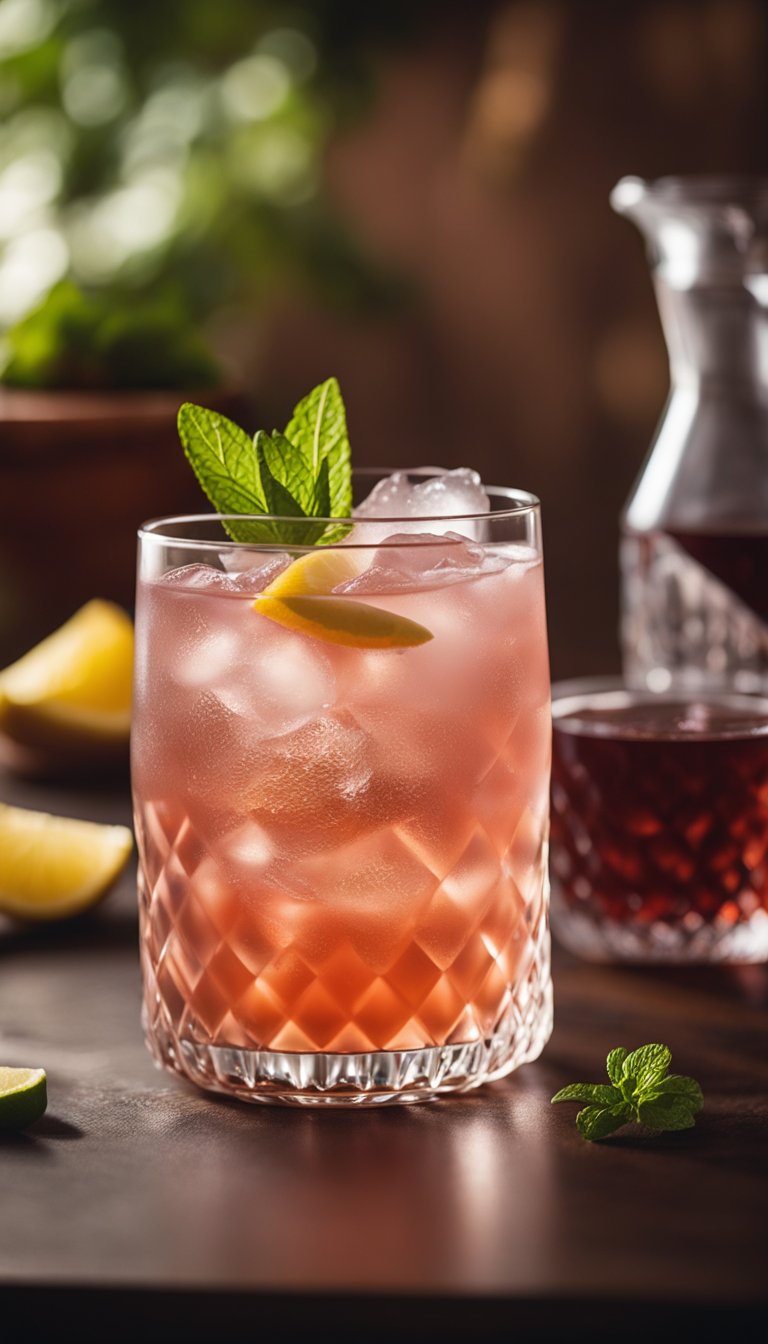
How to navigate EU Regulations: Labeling and Ingredient Requirements in Non-Alcoholic Beverages
In the first section in which we discussed the journey to unravel the complex web of EU regulations regarding non-alcoholic beverages. We’ll now dive into the specifics. We will be focusing on labeling and ingredient requirementsaEUR”a essential area of conformity of businesses working in the beverage industry.
Labeling Guidelines
Concision and Transparency
EU regulations are very precise when it comes down to labeling non-alcoholic drinks. It is the primary objective to make sure that consumers are provided with truthful and accurate information on the products they purchase. Here are some essential aspects of labeling guidelines:
1. Name of the Beverage: The name should clearly indicate the nature of the product. False names that can confuse consumers are strongly discouraged.
2. Ingredients List: Alcohol-free beverages are required to provide a list ingredients and each ingredient is listed in order of weight, descending.
3. An Allergen Factor: If the drink has any of the 14 allergens listed as allergens in EU laws (e.g., nuts, milk and gluten) These allergens must be explicitly identified on the list of ingredients.
4. Net Quantity: This is the amount of the beverage needs to be stated in liters milliliters/centiliters/kg, grams, or milligrams according to the type of product.
5. Best Before/Use By dates: Non-alcoholic beverages with shelf life of less than 18 months have to contain a “use at” date. Drinks with a more extended shelf life must include an “best in” date.
Nutrition Declaration
Recent years have seen EU regulations have made it obligatory for non-alcoholic drinks to supply nutrition details per 100 ml the beverage. This includes information on energy content and amounts of saturates, fats sugars, carbohydrates as well as protein and salt.
Ingredient Requirements
Use of Additives
EU rules regulate strictly the usage of additives within non-alcoholic beverages. The additives must be approved as safe for consumption and serve a technological purpose (e.g., dyes, preservatives).
Natural Mineral Waters
For beverages labeled as “natural mineral water,” EU regulations are particularly stringent. The water must be sourced from sources that are recognized and meet specific criteria regarding the mineral content and purity.
Fruit Juices and Nectars
In the event that a non-alcoholic beverage is made up of nectars or juices of fruit, it must be able to meet standards for fruit content. For example, nectars made from fruit should contain at least 25% content of fruits.
Sweeteners
The use of sweeteners is controlled to ensure safety and protect the interests of consumers. Labels should clearly show the presence of sweeteners.
What’s Next?
As we’ve seen, EU regulations on labeling and ingredient requirements for non-alcoholic drinks are extensive and designed to protect consumer interests. Complying and understanding these rules is essential for companies working in this area.
In the next chapter we’ll explore security and quality standards and explore how EU standards ensure alcohol-free drinks are in line with the highest standards of quality. Join us on this journey to understand the intricacies of EU regulations even more.
Keep following us as we discover the world of safety and quality standards established by EU regulations for non-alcoholic beverages.
Transform Your Sales with Direct Orders of Swedish Distillers’ Non-Alcoholic Spirits in Bulk!
Health and safety standards: Ensuring Top-of-the-Line Non-Alcoholic Drinks in the EU
In our trek through the labyrinth of EU laws governing non-alcoholic beverages and non-alcoholic beverages, we’ve located crucial information on labeling and the requirements for ingredient labels. Now, let’s continue our exploration by delving into the world of quality and safety standardsaEUR”critical aspects that uphold the integrity of these beverages in the European market.
Quality Standards
Water Quality
Water is the primary ingredient in several non-alcoholic drinks and its quality is vital. EU regulations require that the all water used in beverage production must meet strict quality requirements. This ensures that the water’s source, treatment and transportation do not compromise the quality of the beverage or its taste.
Natural Mineral Waters
When it comes to beverages that are labeled “natural mineral water,” EU regulations are particularly stringent. The water must be sourced from proven sources and fulfill stringent requirements regarding mineral quantity and purity. Mineral waters from nature are revered for their unsurpassed quality and distinctive mineral composition. This makes them an invaluable asset to the non-alcoholic beverage industry.
Fruit Juice Purity
In drinks that contain fruit juices, the EU sets specific fruit content guidelines. For instance, nectars made from fruit must have a minimum amount of fruit content to ensure the authenticity and quality of the drink.
Hygiene & Production
Infection prevention and hygiene at every step of the production process is crucial. EU rules require that all facilities involved in beverage production adhere to strict safety and hygiene standards to prevent contamination and ensure the safety of the product.
Safety Standards
Microbiological Criteria
Microbiological safety is a non-negotiable aspect of producing non-alcoholic beverages. EU regulations specify microbiological standards to ensure that beverages are free of harmful microorganisms that can pose threats to the health of consumers.
Contaminant Limits
To safeguard the health of consumers, EU regulations define maximum standards for the different contaminants in non-alcoholic drinks. These contaminants comprise mycotoxins, heavy metals and pesticide residues. Stringent monitoring and testing procedures are in place to ensure compliance with these limitations.
Plus Safety
Alcoholic beverages that contain non-alcoholic additives are rigorously evaluated for safety. EU rules require exhaustive scientific evaluations and risk assessments before additives are permitted for use. This ensures that consumers are not subjected to unnecessary risks.
The Role of Quality Control
Quality control plays a significant aspect in ensuring that all non-alcoholic beverages meet the highest standards of quality and safety. Manufacturers are responsible for implementing rigorous quality control procedures, from sourcing raw materials through the final stages of production.
What’s ahead?
Quality and safety standards are the base on which the popularity of non-alcoholic beverages is built in the EU market. In our next chapter, we’ll explore the intricate world of packaging and marketing regulations, providing a better understanding of the ways these elements contribute to the overall conformity landscape.
Keep an eye on us as we venture into the realm of packaging and marketing regulations, essential elements of EU compliance for non-alcoholic beverages.

Marketing and Packaging and Marketing: Navigating the EU Regulations for Non-Alcoholic Beverages
As we continue our journey through the intricacies of EU regulations governing non-alcoholic beverages, we find ourselves at a crossroadsaEUR”packaging and marketing. These two aspects are important not just for compliance but also for attracting the customers’ attention in a competitive market. Let’s get into the complexities of regulations for marketing and packaging within the European Union.
packaging Regulations
Material Safety
The EU is committed to ensuring that the materials used in beverage packaging don’t contaminate the beverage’s contents. They must conform to stringent guidelines for plastics, glass, and even metals. This guarantees that the packaging does not alter the composition or safety of the beverage.
Recycle and sustainability
Environmental sustainability is a growing issue and the EU favors environmentally sustainable packaging solutions. Regulations are designed to reduce the amount of waste generated and encourage recycling by providing targets for the utilization of recyclable materials and reduction of waste from packaging.
Presenting, Labeling and Labeling
Labeling is an essential aspect of packaging. EU regulations require clear and accurate information on labels. These include the item’s name, ingredients as well as nutritional information and allergen declarations. These labels help consumers make better choices and are transparent.
Marketing Regulations
True Advertising
Marketing non-alcoholic beverages within the EU must adhere to principles of truthfulness and accuracy. Any claims made in advertisements, such as health claims or the benefits of ingredients, must be substantiated by research.
Protection of Minors
Given the potential appeal of alcohol-free beverages for minors, advertising efforts should be avoided targeting this demographic. The EU is a strict regulator to prevent advertising that may incite consumption by children.
Alcohol Imitation
Non-alcoholic beverages should not mimic the appearance or packaging of alcoholic drinks. This can prevent confusion for consumers as well as ensures that the marketing for these beverages is clear and clear.
Challenges and Innovative Ideas
In the world of marketing and packaging, navigating regulations can be challenging, but they also provide potential for innovation. Many companies are opting for eco-friendly packaging options that are in line with regulatory requirements and the consumer’s preference for eco-friendly products. Marketing strategies that are innovative and focus on health benefits and unique flavor profiles are beginning to gain traction on this EU market.
What’s Next?
Our investigation of EU laws governing non-alcoholic beverages isn’t complete without discussing one of the most important aspects of ensuring compliance with these laws. In the next section, we’ll dig deep into strategies and the best practices that can help companies ensure that they are in compliance with EU’s stringent standards.
Watch this space as we discover the secrets to comply with EU regulations for non-alcoholic beverages.
Navigating EU Regulations for Non-Alcoholic Beverages: A Complete Guide
We’re pleased to present the 5th and final chapter of our exhaustive guide on how to navigate EU regulations for non-alcoholic beverages. Through this entire series, we’ve been exploring the intricacy of rules that govern the production as well as the labeling, safety and marketing of non-alcoholic beverages in the European Union. In this final piece in which we’ll present a review of the main points from each article and provide remarks on the issues and opportunities that lie ahead in this heavily controlled industry.
The Recap Our Journey
1. Production Standards
In our first article, we explored the production guidelines developed by the EU for non-alcoholic beverages. It is important to note that the following points are among them:
- High standards of hygiene and safety for manufacturing installations.
- Guidelines for ingredient selection as well as quality.
- The importance of ensuring compliance with maximum residue levels for Pesticides and contaminants.
- The importance of adhering conforming to Good Manufacturing Practices (GMP) is crucial.
Section 2 the labeling of nutrition information and nutritional labels
In our second article, we outlined the importance correct labeling and nutritional information. Highlights include:
- A clear and precise labeling requirement with ingredient lists, nutritional information and allergen declarations.
- The importance of truthfulness in advertising and the necessity of proof of scientific research to support claims.
- The prohibition of deceiving consumers with false claims.
Third Section: Safety and Quality Assurance
The third article in our series focused on safety and quality assurance. The main points we covered were:
- strict safety standards to stop contamination and guarantee the safety of non-alcoholic beverages.
- The role the role of Hazard Analysis and Critical Control Points (HACCP) in the protection of food safety.
- Monitoring and traceability to quickly determine and rectify safety concerns.
4. Marketing and Packaging
In the fourth piece we reviewed the rules pertaining to packaging and marketing:
- Standardization of the safety of packaging materials to prevent contamination.
- The emphasis is on sustainability and recycling in packaging.
- guidelines to ensure that advertisements are truthful in order to safeguard minors and the prevention of fake alcohol.
Challenges and Opportunities
In the final stages of our exploration through EU rules for non-alcoholic drinks, it’s clear that this sector is full of challenges as well as opportunities. The challenge lies in navigating the complicated regulatory landscape, ensuring compliance, and meeting evolving consumer preferences for eco-friendly and sustainable choices.
But there are also significant opportunities for businesses that embrace these issues:
-
Innovative: Developing eco-friendly packaging and marketing strategies that focus on health benefits can make you stand apart in the market.
-
Transparency: Compliance with labels and advertising regulations not only ensures compliance but also builds trust.
-
Security: The importance of safety as well as quality assurance will protect your brand’s image as well as protect the customers.
Conclusion
In this series, we’ve journeyed through the multifaceted realm of EU regulations for non-alcoholic drinks. From production standards, to packaging advertising, security, and marketing, compliance is essential for your business to succeed in the market.
As you navigate these regulations keep in mind that they’re created to protect customers and to guarantee the highest quality standards. Make sure you embrace sustainability, innovation, and transparency to excel in the competitive EU market of non-alcoholic beverages.
We thank you for taking us on this learning journey. We wish you a wealth of insight into the regulatory environment of non-alcoholic beverage in the EU.
Summary of all Articles in This Series
-
Part 1: Production Standards
-
Section 2 the labeling of nutrition information and nutritional labels
-
Section 3: Safety and Quality Assurance
-
Section 4: Marketing and Packaging
Continue your journey to success in the industry of non-alcoholic beverages Always stay abreast with the most current EU guidelines.
