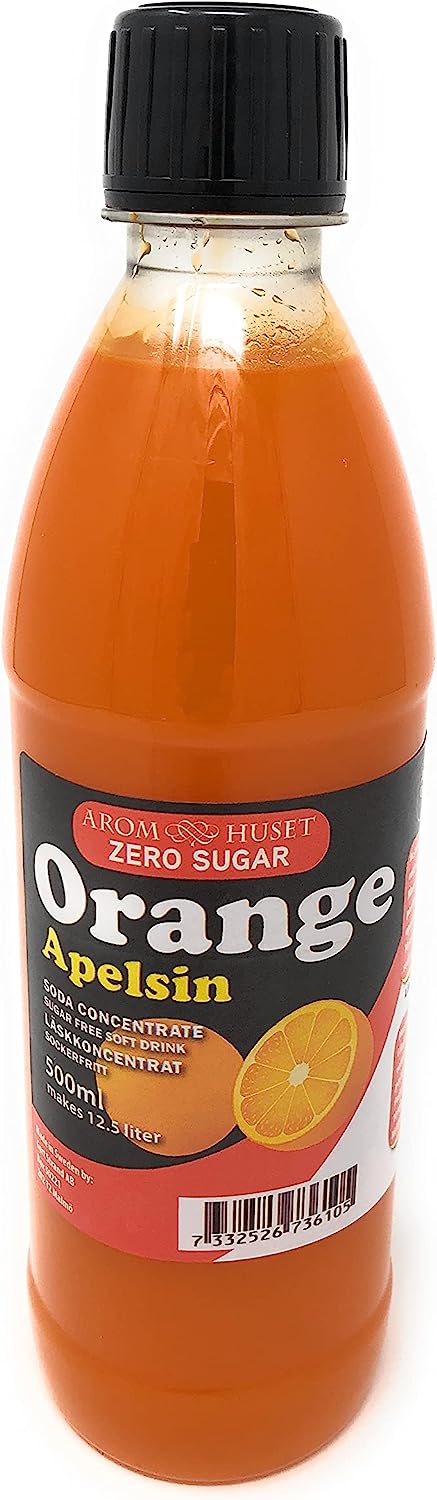
Within the realm of beverages, the term “alcohol-free” is gaining significant traction. The majority of people are opting for non-alcoholic alternatives for various reasons, including personal preferences, health along with lifestyle and personal preferences. Since the market for non-alcoholic beverages grows as does the demand for clear regulations to govern these products.
Understanding the importance of EU Regulations
Why You Need to Know
Before we dive into the technicalities of EU rules governing alcohol-free drinks it’s imperative to understand why this information is essential. Whether you’re a consumer looking to purchase a product that is reliable or a maker who’s eager to comply with standards Here’s why EU rules regarding alcohol-free drinks are important:
The Growing Popularity of Alcohol-Free Beverages
Drinks that are alcohol-free have surpassed the sphere of soda and water. These days, they are the entire spectrum of alcohol-free beverages which include alcohol-free beer, extravagant mocktails that don’t contain alcohol. Since consumers are seeking healthier and more diverse drink options, the need for these products is increasing.
Health and Safety Concerns
They rightly expect that products they buy meet the highest security and health standards. Regulations ensure that alcohol-free drinks are made, labeled and marketed in ways that focus on the consumer’s well-being. They also help to avoid misleading claims and safeguard those who need to avoid alcohol due to medical reasons.
Industry Growth and Innovation
The industry of alcohol-free drinks is evolving rapidly, with developments that challenge the conventional rules. Producers are developing complex flavors and textures which are reminiscent of the alcohol counterparts. To ensure the continued growth of this sector and ensure the trust of consumers and confidence, thorough regulations are required.
Once you have a better understanding of the importance of EU rules on alcohol-free drinking, let’s review the important regulations governing these products in our next section.
H2: Key EU Regulations for Alcohol-Free Drinks
In the next part, we’ll dive into the nitty gritty of the issue by dissecting important regulations that define the alcohol-free beverage industry in the European Union. From the permitted maximum amount of alcohol to labeling regulations in this section, we will unravel the regulations which producers, distributors and consumers need to know.
Maximizing Safety and Consumer Confidence
As we begin our regulatory process, we must remember the fact that these regulations aren’t only red tape to be imposed by bureaucrats. They serve an important purpose in ensuring that alcohol-free drinks meet certain standards for quality, provide consumers with accurate information and provide a safer and healthier beverage landscape.
Let’s now explore the complexities of EU laws governing alcohol-free cocktails and alcohol-free drinks in a subsequent section.
[Next up: Section 2: Key EU Regulations for Alcohol-Free Drinks“
Direct Access to Premium Spirits: Order Your Alcohol-Free Selection from Swedish Distillers!
The key EU Regulations for Alcohol-Free Drinks
To better understand the world of alcohol free drinks within the European Union, we now get into the middle of the matteraEUR”the regulations. They are the foundation for ensuring alcohol-free drinks are safe, transparent as well as meet strict standard of quality. Let’s take this regulatory journey by dissecting the fundamental EU guidelines for alcohol-free beverages.
Maximum Permitted Alcohol Content
What is the significance of HTML0?
The definition of “alcohol-free” is based upon the permissible alcohol level. In the EU, for a beverage to be classified as “alcohol-free,” it must be a minimum of 0.5% in alcohol volume (ABV). This minimal threshold is vital to protect consumers, and is particularly important for those who would like to cut out alcohol completely, because of health, dietary,, or other personal reason.
Specification for Labeling
The clarity of the HTML0 code and Transparency
EU regulations mandate that labels for alcohol-free drinks should clearly identify their alcohol content. This isn’t just a matter of transparency but is also essential for customers who depend on such details. The label should clearly be able to clearly display the “alcohol-free” design and the exact ABV and ensure that the consumers have the ability to make educated decisions.
Ingredients and Additives
Quality and Quality and
To ensure the safety and authenticity of alcohol-free beverages EU rules set strict requirements regarding additives and ingredients. The regulations guarantee all approved chemicals are used to make the production of these beverages. The emphasis is on keeping its integrity that is alcohol-free, be it wine, beer, or spirits.
Health Claims and Advertising
Avoiding false claims
EU regulations also regulate public health claims, as well as the marketing of alcohol-free drinks. This is to avoid misinformation that could lead to false perceptions of the health benefits that come from drinking such drinks. Producers should adhere to the guidelines that ensure accuracy and integrity when it comes to marketing.
QUALITY Standards and Safety Inspections
A rigorous testing and Quality Control
Another essential aspect of EU guidelines is enforcement of quality standards and safety inspections. The producers are required to conduct rigorous testing and quality monitoring measures to ensure their alcohol-free drinks comply with the standards set by the EU. This is a requirement for microbiological safety, hygiene, and overall product quality.
Conformity and Certification
As we’ve gathered an knowledge of the essential EU rules for alcohol-free beverages If you’re curious about how producers and distributors ensure compliance with these rules. The process of compliance and certification is an essential element of selling these products while still adhering to EU rules.
H2: How to Navigate Compliance
Navigating compliance can be a complex endeavor, but it is vital for distributors and manufacturers to ensure that alcohol-free beverages are in compliance with EU standards. Here are the key elements of the compliance procedure:
Testing and Analysis
Producers must carry out thorough testing and analysis of their alcohol-free drinks to confirm that they meet the standards set by the FDA. This includes verification of alcohol content analysis of ingredients, testing of the ingredient, and assessment of quality.
Documentation and Record-keeping
Complete documentation is the foundation of compliance. Producers should keep records of testing, ingredient source, and the production process. These records provide evidence of compliance and can be subject to inspection by regulators.
Work with Regulatory Authorities
Distributors and producers frequently work with regulators in order to make sure that they are compliant. This includes getting the necessary approvals and certificates, which could differ depending on the specific alcohol-free type of drink.
Common Challenges and how to overcome them
Compliance can be a challenge, especially for small producers or those that are new to the industry. The most common obstacles are navigating the regulatory landscape, balancing testing costs, as well as keeping current with changing rules. Seeking expert guidance and staying current with changes to regulations are the best strategies to conquer the challenges.
In our next segment, we will delve into the effects of these regulations on the consumer in order to help them make better choices on alcohol-free drink choices.
[Next: Section 3: the impact on consumers]

Impact on Consumers The impact on consumers: Navigating EU Regulations on Alcohol-Free Drinks
As we continue our journey through the realm of alcohol-free drinks and the regulations that govern them in the European Union, we come to a pivotal point of considerationaEUR”the impact of these regulations on consumers. It’s vital for consumers to know how these regulations affect their choices and rights when it comes to choosing drinks that are alcohol-free.
Why should consumers be concerned About EU Regulations on Alcohol-Free Drinks?
Before delving into the specifics of the regulations, it’s imperative to consider this fundamental question: What consumers should care about EU regulations on alcohol-free drinks? Here are the most important reasons:
-
Health and Trust: Consumers deserve to enjoy secure and dependable products. Regulations make sure that alcohol-free beverages meet specific quality and safety standards, decreasing the chance of health problems or misrepresentation.
-
“Informed Choices”: Regulations empower consumers to make informed choices. By understanding labeling requirements and medical claims on products, buyers are able choose products that suit their preferences and dietary needs.
-
Avoiding false claims: Regulations ensure that consumers are protected from misleading claims in health and advertising, preventing consumers from falling victim to deceitful marketing tactics.
Let’s now dive into the way EU regulations impact consumers:
The Reading Labels as well as the Understanding of Claims
The clarity of labeling
One of the primary ways that consumers are impacted by EU regulations is through the labeling of products. When you buy an alcohol-free drink in the EU the label must give clear and accurate information. This is what you should be looking for:
-
Alcohol Content: Rules require labelling to must display the exact alcohol content typically expressed in Alcohol by Volume (ABV). This enables consumers to be sure whether the drink is genuinely alcohol-free, which is in line with the EU’s 0.5 percent ABV threshold.
-
“Alcohol-Free” Identification: It should be prominently display the “alcohol-free” designation, which will ensure that customers are able to quickly recognize these products.
-
ingredients lists Laws demand comprehensive ingredient lists, which can help consumers who suffer from dietary restrictions or allergies make informed decisions.
-
health claims: Pay attention to claims about health that appear on labels. Regulations protect against misleading claims, therefore consumers can be confident that the health benefits associated with the product are accurate.
Announcing Non-Compliance
Consumer Rights and Accountability
Consumers also play an important role in ensuring compliance with EU rules regarding alcohol-free beverages. If a product’s label appears misleading or if you suspect violations of regulations, you have the right to file a complaint. Reporting non-compliance helps maintain the integrity of the market, and holds producers accountable.
Contents for Consumers
Additionally, if they fail to report non-compliance Consumers can also seek guidance from different sources for help:
-
consumers Associations: Many consumer associations actively monitor the compliance of products and are able to provide information and assistance.
-
Regulation Authorities Contact your regional or national regulator for advice or to raise concerns.
-
Online Communities: Participating in online forums and communities could provide knowledge and recommendations from fellow customers who have similar interests.
Knowing the way EU regulations impact consumers helps consumers to make better choices as well as contribute to the solidity of the alcohol-free beverages market. In our next article we’ll look at the future trends in this evolving market, and what consumers should expect from the world of alcohol-free beverages.
[Next up: Section 4: Future Trends and Conclusion]

Future Trends to be found in the World of Alcohol-Free Drinks
As we work through the details of EU regulations on alcohol-free drink and the impact they have on consumers it’s important to look ahead and explore the new trends and developments that will emerge from this world. The world of alcohol-free beverages is experiencing rapid growth and technological innovation driven by shifting consumption habits and health-conscious choices.
Why Future Trends Are Important
Being aware of future trends isn’t only a matter of curiosityaEUR”it’s essential for both producers as well as consumers. For producers, staying ahead of the game means keeping up with changing customer demands and changing regulations. For consumers, this means having access a constantly expanding range of new and healthy beverage choices.
1. Expansion of Product Variety
beyond the Basics
A world filled with alcohol-free drinks is no longer limited to traditional options like soda and sparkling water. Producers are constantly expanding their product ranges to offer customers a broad assortment of options. These include:
-
Alcohol-free Beer These beverages have developed into more sophisticated products, with flavors and aromas that closely to their alcoholic counterparts.
-
Wein Alternatives A wine that is alcohol free has been increasing in popularity, giving consumers an experience and taste wine with no alcohol.
-
Alcohol-Free Spirits: Mocktails and spirits that are alcohol-free are on the rising, allowing customers to indulge in complex flavors and cocktails without the alcohol.
2. Innovations in Flavor and Ingredients
Modifying Complexity
The producers are investing in developing and researching to develop beverages that are alcohol-free, and replicate the distinctive flavors and sensations of alcoholic beverages. This involves testing herbal extracts, botanicals, and spices to create a variety of distinct flavors.
-
Botanical Infusions: Gin that is alcohol-free and botanical spirits have been incorporating an array of botanicals and blending them into unique flavor experiences.
-
Techniques for Distillation Certain producers employ distillation methods that extract flavors without alcohol producing sophisticated alcohol-free spirits.
3. Health and Wellness Focus
Conforming to Consumer Values
Health-conscious consumer demand is prompting producers to focus upon wellness and health. This means highlighting nutrition information, organic ingredients, and the benefits of wellness.
-
Low Sugar and Calories Many alcohol-free beverages are designed to be less calories and sugar. They are also geared to health-conscious consumers.
-
Functional Ingredients: Producers are now integrating the use of functional ingredients like adaptogens, vitamins, and antioxidants, to boost the wellness quality of their items.
4. Sustainability and Eco-Friendly Practices
Meeting Environmental Concerns
Sustainability is becoming more important and the food industry is responding to this by adopting environmentally friendly practices. This includes sustainable sourcing of raw materials, eco-friendly packaging, and the reduction of carbon footprints.
-
recycling packaging Some alcohol-free manufacturers are choosing recyclable or biodegradable packaging in order to reduce environmental impact.
-
Ethical Sourcing: Producers are more transparent about where they get their components, ensuring they comply with ethical and sustainable standards.
5. In addition, education and Consumer Empowerment
Informed Choices
As the landscape of alcohol-free drinks changes, education for consumers becomes paramount. Producers are investing resources to educate consumers about the benefits of their product, including:
-
Web Resources Web sites and platforms for social media provide information on the ingredients in products, their health benefits, and serving suggestions.
-
tasting events: Many producers offer tastings, workshops and other events to guide consumers on how to take advantage of alcohol-free drinks to the fullest.
Understanding these trends will allow consumers to make better choices with their personal values and desires. In our next chapter we’ll summarise the most significant points and look at how the alcohol-free drink market continues to influence the choices of consumers and experience.
[Next step: Section 5: Overview and Looking ForwardThen, Section 5: Summary and Looking forward
A Summary and Looking Forward The process of navigating EU Regulations on Alcohol-Free Drinks
As we wrap up our comprehensive review of EU regulations pertaining to alcohol-free drinks and their significant impact on both consumers and the industry it’s important to recap the major insights gleaned from each of the sections and look forward toward the future for this evolving landscape.
Section 1: The basics of EU Regulations
In the beginning of our travels we looked at the key aspects of EU laws on alcohol-free beverages. Here are some of the key lessons learned:
-
EU Regulations Ensure Safety: These regulations are designed to ensure the purity and quality of alcohol-free beverages, ensuring that consumers can enjoy these drinks without risk to their health.
-
Labeling Clarity: The consumer can trust the clear and precise labels to recognize alcohol-free drinks and understand their ingredients and health claims.
-
rights of the consumer: People have the right to file complaints about violations of regulations, and contribute to an honest and responsible market.
Section 2: Production and Compliance
In the 2nd section, we examined the production and aspect of compliance for alcohol-free drinks:
-
production standards: All producers are expected to conform to a strict set of standards, including the 0.5% ABV limit for the alcohol-free classification.
-
Assessment and Certificate: Tests and certifications for HTML0 undergo extensive tests to verify that they satisfy standards of safety.
-
Importance of Conformity: Conformity with regulations is necessary to avoid fines and to maintain trust in the consumer.
Section 3: Affect on Producers and Market
Our third section focuses on the effect of regulations on producers and the market:
-
Marketing Growth There is a growing demand alcohol-free drinks is on the rising, driven by health-conscious consumers and new product offerings.
-
Competition and Innovation: Producers are continually making improvements to meet consumer needs that result in a wide assortment of alcohol-free solutions.
Section 4: Future Trends
In the closing section, we discussed the future trends that will shape the future of alcohol-free drinks:
-
Expanding the Variety of Products: Consumers can expect to find a wider selection of alcohol-free beverages, which include sophisticated alternatives to traditional favorites.
-
Innovations in Flavor and Ingredients The producers are investing in replicating complex flavors, thus enhancing the experience of drinking.
-
and Wellness Focus: Health and Wellness Focus: Health-conscious consumers will discover products that complement their food preferences and the goals of their health.
Section 5″Summary and Looking Forward”
In this section, you will find critical insights from our exploration of EU regulations regarding alcohol-free drinks. These knowledge-based insights help producers and consumers to navigate this constantly changing landscape efficiently.
As we move forward to the future, the realm of alcohol-free drinks is set to grow and innovation. The consumers can expect to have an ever-growing array of choices that cater to their diverse tastes, desires, and values. Producers, on the other hand, must remain vigilant in adhering with regulations while embracing opportunities created by this changing market.
In conclusion, knowing EU laws on alcohol-free drinks is not only about compliance; it’s about ensuring the security as well as transparency and choice that consumers demand. With a brighter future to come the market for alcohol-free drink lets consumers explore, savor, and lift their glasses for a healthier and more flavorful experience.
Thank you for coming along on this journey through the world of alcohol-free beverages and EU rules. Here’s to a bright future with exciting and responsible drinking choices.
“End Series [End of Series